Sri Lanka 2026 Digital Nomad Visa: A New Base for Remote Workers
Team LiveInLanka · July 8, 2026 · 7 min read · Travel & Lifestyle
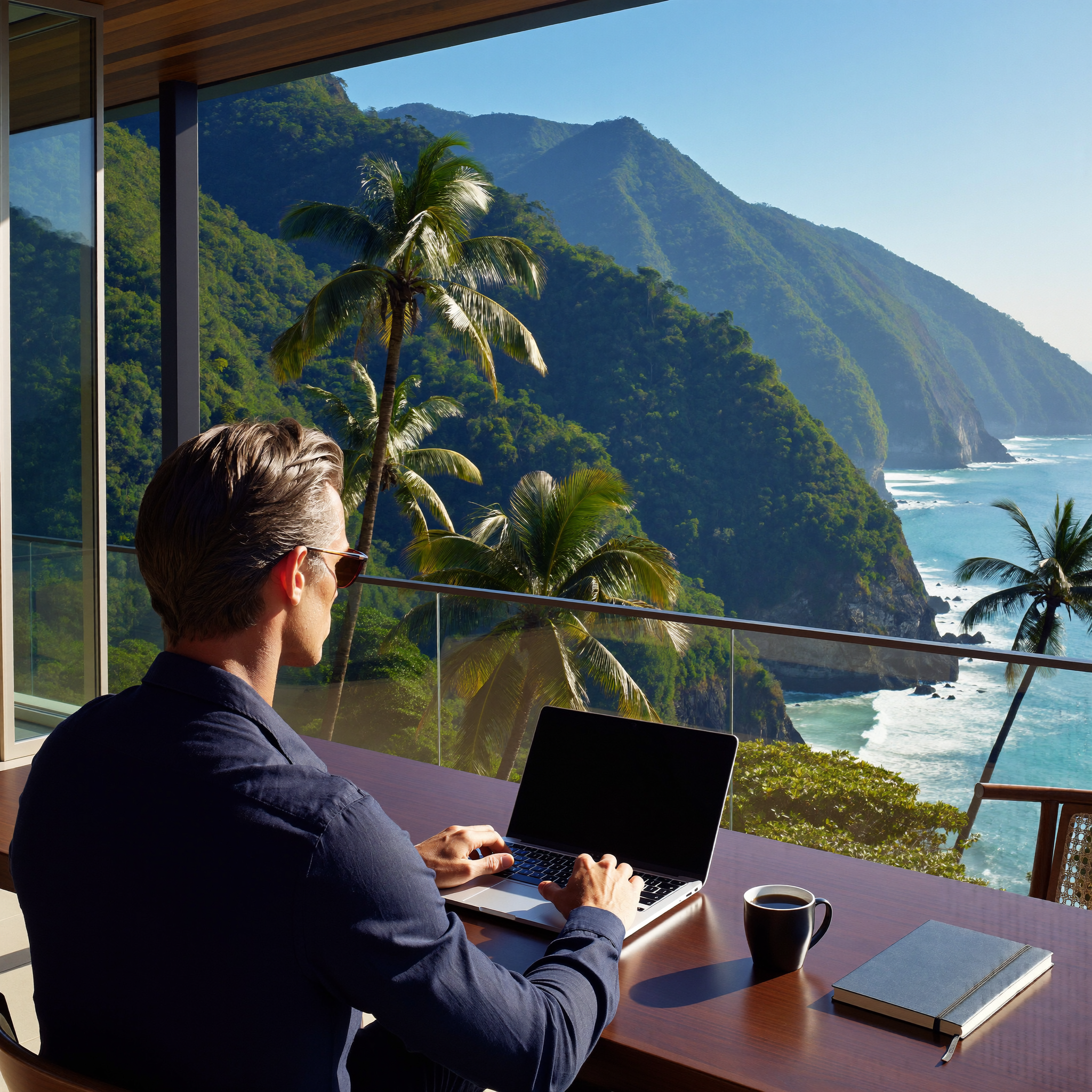
Sri Lanka’s Digital Nomad Visa became one of the country’s most important lifestyle and tourism policy moves in 2026. The program was officially launched in February 2026 and was designed to let foreign remote workers live in Sri Lanka while earning from outside the country.
Why the visa matters
For years, Sri Lanka was appealing to remote workers in an informal way, but the new visa gave that interest a formal legal path. That matters because digital nomads want stability, predictable rules, and a legitimate way to stay longer without constantly doing visa runs. The 2026 rollout also signals that Sri Lanka sees remote workers as a serious source of foreign exchange and long-stay tourism income.
Who can apply
The core eligibility rule is straightforward: applicants must be over 18 and show at least USD 2,000 in monthly foreign income from remote work or overseas business activity. Applicants also need supporting documents such as passport details, proof of income, and health coverage, with some reporting noting police clearance and medical documents may be required. The visa does not allow local employment or local business activity, which keeps it focused on foreign-earned income.
Stay and family rules
The visa is described as valid for one year, with renewal options available. Reporting also notes that spouses and children can accompany the main holder, and children may attend international or private schools. That makes the visa more practical for long-stay professionals who are not travelling alone.
What it changes for Sri Lanka
The biggest effect is that Sri Lanka can now compete more directly with other remote-work destinations in Asia and beyond. A formal nomad visa helps attract spending on housing, transport, coworking, food, and tourism, while also encouraging a longer average stay than typical visitors. It may also strengthen Sri Lanka’s image as a more modern, internationally connected place for entrepreneurship and online work.
Things to watch
The most important question now is implementation: how easy the application process really is, how fast approvals come through, and whether the rules remain stable. Another key issue is whether the income threshold, fees, or renewal rules change over time as the policy matures. For nomads, the practical value of the visa will depend less on the announcement and more on how smoothly the system works in real life.
Sri Lanka’s 2026 Digital Nomad Visa is less about tourism alone and more about positioning the country as a live-work destination for global remote professionals. If the program stays simple and reliable, it could become one of the country’s most attractive long-stay migration pathways for location-independent workers.
Not sure which route fits you? Try our free visa & residency pathway finder. It compares the Digital Nomad Visa, Golden Paradise Residence Visa, PRV and other routes against your situation in about two minutes.